Bolzano camp
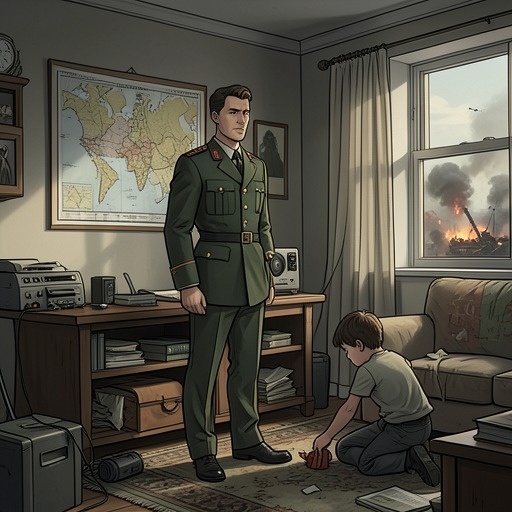
The Zone of InterestBolzano camp, called Bozen during 1944–45, appears in spring 1946 as a German concentration camp transformed into an Italian detention site. Its new administration has ended the slave labor, beatings, starvation, and murder associated with its recent past, but the place remains crowded with displaced persons, prisoners of war, and other internees awaiting scrutiny. Through the contrasting experiences of Gerda Bormann and Golo Thomsen, the camp becomes a setting where improved material conditions coexist with the unresolved claims of victims and the lingering protection of former Nazi connections.
From German Camp to Italian Detention Site
In spring 1946, Bolzano camp is still a place of confinement, but no longer operates as it did under German rule. The narrator identifies it as the camp called Bozen from 1944 to 1945, then emphasizes what has changed: there is no more forced labor, flaying, cudgeling, starvation, or murder. The site is now Italian, filled with displaced persons, prisoners of war, and other internees awaiting review.
The contrast is material as well as political. Food is limited but appetizing, sanitation is reasonable, and cheerful nuns and priests help those held there. These conditions mark a decisive break with the camp’s immediate history without making detention itself disappear: its inhabitants remain subject to scrutiny, and the grounds still carry the recent memory of organized violence.
Gerda Bormann and the Refused Train
Gerda Bormann lies in the camp’s field hospital, while her children stay nearby in a military marquee. Her illness requires an operation in Munich, and she says that a doctor had told the Americans she needed to travel there. An American refuses her a place on the weekly train, explaining that it is for the Nazis’ victims, not for Nazis. Gerda describes the refusal as cruel; Thomsen agrees that it was cruel, even as the exchange exposes the postwar struggle over who should receive care and who should be held accountable.
The episode places Gerda’s medical need inside a larger reckoning. The transport is not simply a route to treatment: access to it has become a judgment about the difference between former perpetrators and those they victimized. The camp’s more humane conditions therefore do not erase the moral conflict carried into its wards and waiting areas.
Unequal Protection and the Camp’s Afterlife
Thomsen’s account of his own treatment differs from Gerda’s. Asked whether the Americans had been cruel to him, he clarifies that they gave him a job; the Germans, he says, had wanted to mistreat him, but the power of Martin Bormann, the Reichsleiter, protected him to the end. He also recalls the parcels associated with that protection. The exchange suggests that old political influence could continue to shape a person’s security even after the Reich had fallen and the camp had passed into Italian hands.
Bolzano camp thus holds two postwar realities together. Its changed administration has ended the forms of abuse named in the account, and its provisions and sanitation distinguish it from the place it had been. Yet the camp remains a site of confinement and unequal vulnerability: Gerda’s access to treatment is challenged in the name of victims, while Thomsen recognizes that a powerful patron had helped shield him from German hostility. The setting makes the transition from Nazi rule to postwar scrutiny visible without presenting that transition as a clean or settled break.